Choosing the right approach to downloading word documents made easy starts with clear context, practical filters, and realistic expectations.
Introduction to Downloading Word Documents Downloading
Word documents is a common task for individuals and businesses alike. Whether you need to access a document from a cloud storage service, a website, or an email attachment, the process can be straightforward or complex, depending on the source and your device.
Understanding Word Document Formats
Word documents come in various formats, including .docx, .doc, and .odt. Each format has its own compatibility and functionality, making it essential to understand the differences before downloading. For instance, .docx is the standard format for Microsoft Word, while .odt is used by open-source word processors like LibreOffice.
Common Word Document Formats
Some of the most common Word document formats include:
- .docx: Microsoft Word Open XML Format
- .doc: Microsoft Word 97-2003 Format
- .odt: OpenDocument Text Format
- .rtf: Rich Text Format
Downloading from Cloud Storage Services
![How to Download Word Document on Mac [Step-by-Step]](https://res-academy.cache.wpscdn.com/images/seo_posts/20231128/92839c0b9910da38e9d68f913c315ede.png)
Cloud storage services like Google Drive, Dropbox, and OneDrive allow users to store and share Word documents. To download a Word document from these services, you typically need to log in to your account, navigate to the file location, and click the download button. The process may vary slightly depending on the service and your device.
Downloading from Email Attachments Downloading Word documents from email attachments is a common task, especially in business settings. Most email clients allow you to download attachments directly from the email message. However, be cautious when
downloading attachments from unknown senders, as they may contain malware or viruses.
Tips for Downloading Email Attachments Some
tips to keep in mind when downloading Word documents from email attachments include:
- Verify the sender's identity before downloading
- Check the file format and compatibility
- Use antivirus software to scan the attachment
Downloading from Websites Websites often provide Word documents for download, such as templates, forms, or reports. To download a Word document from a website, you typically need to click on the download link or button. Be aware of any potential security risks, such as malware or viruses, when
downloading from unknown websites.
Popular Tools for Downloading Word Documents Some
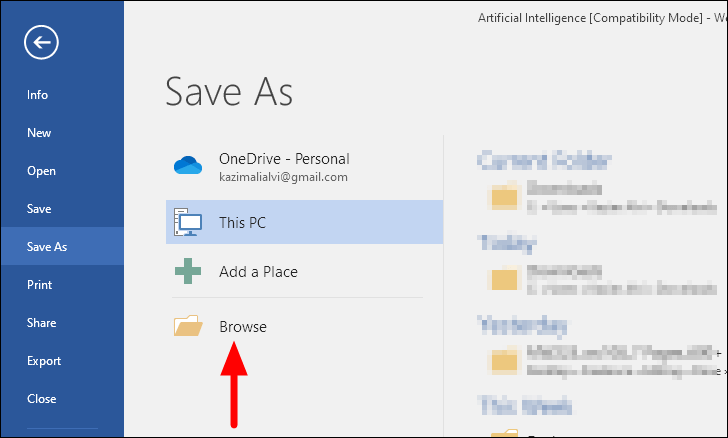
- popular tools for downloading Word documents include:
- Microsoft Word: A word processing software that allows you to create, edit, and download Word documents
- Google Docs: A cloud-based word processing software that allows you to create, edit, and download Word documents
- LibreOffice: A free and open-source word processing software that allows you to create, edit, and download Word documents
- Dropbox: A cloud storage service that allows you to store and download Word documents
- OneDrive: A cloud storage service that allows you to store and download Word documents
Managing Downloaded Word Documents After downloading a Word document, it's essential to manage it properly to avoid clutter and ensure easy access. You can organize your downloaded documents into folders, rename them, and add tags or metadata to make them easily searchable.
Best Practices for Managing Downloaded Word Documents Some
best practices for managing downloaded Word documents include:
- Creating a dedicated folder for downloaded documents
- Renaming documents with descriptive file names
- Adding tags or metadata for easy searching
Troubleshooting Common Issues Common issues when downloading
Word documents include compatibility problems, file corruption, and security risks. To troubleshoot these issues, you can try updating your software, using a different download method, or seeking technical support.
Common Mistakes to Avoid Some
common mistakes to avoid when downloading Word documents include:
- Downloading from untrusted sources
- Ignoring file format compatibility
- Failing to scan for malware or viruses
Conclusion
Downloading Word documents can be a straightforward process, but it requires attention to detail and awareness of potential security risks.
By understanding the different Word document formats, using the right tools, and following best practices, you can efficiently download and manage your Word documents.